Buy remeselnik.eu ?
We are moving the project
remeselnik.eu .
Are you interested in purchasing the domain
remeselnik.eu ?
domain@kv-gmbh.de · 0541-91531010
Buy remeselnik.eu ?
Is a Thuja poisonous?
Yes, Thuja, also known as arborvitae, is considered to be toxic to humans and animals if ingested. The plant contains a substance called thujone, which can cause symptoms such as vomiting, diarrhea, and stomach pain if consumed in large quantities. It is important to keep Thuja plants out of reach of children and pets to prevent accidental ingestion. **
How are Thuja planted?
Thuja trees are typically planted in a hole that is dug to the same depth as the root ball and two to three times wider. The soil should be loosened around the hole to allow for proper root growth. After placing the tree in the hole, backfill with soil and water thoroughly. Mulch can be added around the base of the tree to help retain moisture and suppress weeds. **

Similar search terms for Thuja
Top-Angebote
Products related to Thuja:


-
Is a thuja toxic?
Yes, thuja, also known as arborvitae, is toxic to humans and animals if ingested. The leaves and seeds of the thuja plant contain chemicals that can cause symptoms such as vomiting, diarrhea, and stomach pain. It is important to keep thuja plants out of reach of children and pets to prevent accidental ingestion. **
-
Why doesn't Thuja grow?
Thuja may not grow for several reasons, including poor soil conditions, lack of sunlight, improper watering, or disease. Thuja requires well-draining soil and full sunlight to thrive, so if these conditions are not met, the plant may struggle to grow. Additionally, overwatering or underwatering can also hinder Thuja's growth. It's important to ensure that the plant is in the right environment and receiving proper care in order for it to grow successfully. **
-
What goes well with Thuja?
Thuja, also known as arborvitae, pairs well with a variety of plants such as ornamental grasses, flowering perennials, and other evergreen shrubs. Some good companion plants for Thuja include lavender, salvia, heuchera, and boxwood. These plants can provide contrasting textures, colors, and heights that complement the dense, upright growth of Thuja, creating a visually appealing and diverse garden landscape. **
-
Which soil for Thuja Brabant?
Thuja Brabant, a type of arborvitae, prefers well-draining soil that is slightly acidic to neutral in pH. A loamy soil with good organic content is ideal for Thuja Brabant as it provides the necessary nutrients and moisture retention. Avoid heavy clay soils that can lead to waterlogged conditions, which can be detrimental to the health of the plant. Adding compost or peat moss to the soil can help improve its quality for optimal growth of Thuja Brabant. **


How wide does Thuja grow?
Thuja, also known as arborvitae, can grow to be quite wide depending on the specific variety. On average, Thuja can reach a width of 5-15 feet, but some varieties can spread even wider. It is important to consider the mature width of the specific Thuja variety you are planting when selecting a location to ensure it has enough space to grow and thrive. **
Is Thuja toxic to rabbits?
Yes, Thuja, also known as arborvitae, is toxic to rabbits. The plant contains compounds called thujone and isothujone, which can be harmful to rabbits if ingested. Symptoms of Thuja poisoning in rabbits may include gastrointestinal upset, difficulty breathing, and in severe cases, seizures and death. It is important to keep rabbits away from Thuja plants to prevent accidental ingestion and poisoning. **
Top-Angebote
Products related to Thuja:
-
Pranarom Thuja Essential Oil 10 ml 10 mlHealth and Beauty First aid kit Pranarom Thuja Essential Oil 10 ml 10 ml It has a healing, anti-inflammatory, and antihemorrhagic effect thanks to its astringent properties. Its expectorant action helps eliminate purulent and greenish mucus. Precautions: - Harmful if swallowed. May be fatal if swallowed and enters airways. - May cause an allergic skin reaction. Keep out of reach of children. Do not apply undiluted to the skin. - If swallowed: Immediately call a poison control center or doctor. Rinse mouth. Do not induce vomiting. - In case of skin contact: Wash with plenty of soap and water. - Keep away from all sources of heat and light.9,55 £*Shipping: 3,99 £Secure redirect to the provider
-
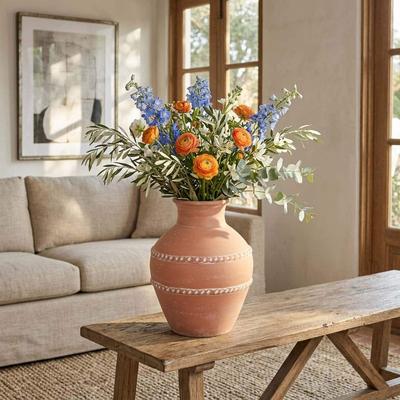
Sagebrook Home Pottery Terracotta Vase Artisan Style Traditional Classic SilhouetteAdd rustic flair instantly - Crafted from durable terracotta pottery, this decorative vase brings timeless charm to any bedroom, living room, or entryway display.64,59 $*Shipping: 0,00 $Secure redirect to the provider
-
Is a Thuja poisonous?
Yes, Thuja, also known as arborvitae, is considered to be toxic to humans and animals if ingested. The plant contains a substance called thujone, which can cause symptoms such as vomiting, diarrhea, and stomach pain if consumed in large quantities. It is important to keep Thuja plants out of reach of children and pets to prevent accidental ingestion. **
-
How are Thuja planted?
Thuja trees are typically planted in a hole that is dug to the same depth as the root ball and two to three times wider. The soil should be loosened around the hole to allow for proper root growth. After placing the tree in the hole, backfill with soil and water thoroughly. Mulch can be added around the base of the tree to help retain moisture and suppress weeds. **
-
Is a thuja toxic?
Yes, thuja, also known as arborvitae, is toxic to humans and animals if ingested. The leaves and seeds of the thuja plant contain chemicals that can cause symptoms such as vomiting, diarrhea, and stomach pain. It is important to keep thuja plants out of reach of children and pets to prevent accidental ingestion. **
-
Why doesn't Thuja grow?
Thuja may not grow for several reasons, including poor soil conditions, lack of sunlight, improper watering, or disease. Thuja requires well-draining soil and full sunlight to thrive, so if these conditions are not met, the plant may struggle to grow. Additionally, overwatering or underwatering can also hinder Thuja's growth. It's important to ensure that the plant is in the right environment and receiving proper care in order for it to grow successfully. **
Similar search terms for Thuja
-
What goes well with Thuja?
Thuja, also known as arborvitae, pairs well with a variety of plants such as ornamental grasses, flowering perennials, and other evergreen shrubs. Some good companion plants for Thuja include lavender, salvia, heuchera, and boxwood. These plants can provide contrasting textures, colors, and heights that complement the dense, upright growth of Thuja, creating a visually appealing and diverse garden landscape. **
-
Which soil for Thuja Brabant?
Thuja Brabant, a type of arborvitae, prefers well-draining soil that is slightly acidic to neutral in pH. A loamy soil with good organic content is ideal for Thuja Brabant as it provides the necessary nutrients and moisture retention. Avoid heavy clay soils that can lead to waterlogged conditions, which can be detrimental to the health of the plant. Adding compost or peat moss to the soil can help improve its quality for optimal growth of Thuja Brabant. **
-
How wide does Thuja grow?
Thuja, also known as arborvitae, can grow to be quite wide depending on the specific variety. On average, Thuja can reach a width of 5-15 feet, but some varieties can spread even wider. It is important to consider the mature width of the specific Thuja variety you are planting when selecting a location to ensure it has enough space to grow and thrive. **
-
Is Thuja toxic to rabbits?
Yes, Thuja, also known as arborvitae, is toxic to rabbits. The plant contains compounds called thujone and isothujone, which can be harmful to rabbits if ingested. Symptoms of Thuja poisoning in rabbits may include gastrointestinal upset, difficulty breathing, and in severe cases, seizures and death. It is important to keep rabbits away from Thuja plants to prevent accidental ingestion and poisoning. **
* All prices are inclusive of VAT and, if applicable, plus shipping costs. The offer information is based on the details provided by the respective shop and is updated through automated processes. Real-time updates do not occur, so deviations can occur in individual cases. ** Note: Parts of this content were created by AI.