Buy remeselnik.eu ?
We are moving the project
remeselnik.eu .
Are you interested in purchasing the domain
remeselnik.eu ?
domain@kv-gmbh.de · 0541-91531010
Buy remeselnik.eu ?
What are combustible nonmetals?
Combustible nonmetals are elements that are not metals and have the ability to burn or ignite when exposed to oxygen and a heat source. These elements typically form flammable compounds and can undergo combustion reactions to produce heat and light. Some examples of combustible nonmetals include carbon, sulfur, and phosphorus. These elements are important in various industrial processes and are also found in everyday materials such as matches and fireworks. **
Can a laminate skirting board be used as a combustible element for a fireplace?
No, a laminate skirting board should not be used as a combustible element for a fireplace. Laminate is made of wood particles and resin, which can ignite and burn when exposed to high temperatures. It is important to use non-combustible materials, such as stone, tile, or metal, around a fireplace to prevent the risk of fire. It is best to consult with a professional to ensure that the materials used around a fireplace are safe and compliant with building codes. **
Similar search terms for Combustible
Top-Angebote
Products related to Combustible:


-
Which is cheaper, a pottery course or owning a pottery wheel?
In general, taking a pottery course is likely to be cheaper than owning a pottery wheel. Pottery courses typically provide access to a variety of equipment, materials, and instruction for a set fee, whereas purchasing a pottery wheel can be a significant upfront investment. Additionally, pottery courses may offer the opportunity to try out different techniques and styles before committing to purchasing a wheel. Overall, taking a pottery course can be a more cost-effective way to explore pottery as a hobby or skill. **
-
What is cheaper, a pottery class or your own pottery wheel?
In general, a pottery class is usually cheaper than purchasing your own pottery wheel. Pottery classes typically provide all the necessary materials, tools, and instruction needed to create pottery pieces, whereas buying a pottery wheel can be a significant investment. Additionally, pottery classes offer the opportunity to learn from experienced instructors and interact with other students, which can enhance the overall learning experience. However, if you plan to make pottery regularly and have the space and resources to set up a pottery studio at home, investing in your own pottery wheel may be more cost-effective in the long run. **
-
What is cheaper, a pottery course or owning a pottery wheel?
In general, taking a pottery course is usually cheaper than owning a pottery wheel. Pottery courses typically provide access to a pottery wheel, kiln, and other necessary tools and materials for a set fee. On the other hand, owning a pottery wheel requires a significant upfront investment in purchasing the equipment, as well as ongoing costs for maintenance, clay, glazes, and firing. Additionally, taking a pottery course allows for instruction, guidance, and a supportive community, which can be beneficial for beginners. **
-
Which is cheaper, a pottery course or buying your own pottery wheel?
In general, taking a pottery course is likely to be cheaper than buying your own pottery wheel. Pottery courses typically provide access to all the necessary equipment, materials, and instruction for a set fee, whereas purchasing a pottery wheel can be a significant investment. Additionally, pottery courses offer the opportunity to learn from experienced instructors and interact with other students, which can enhance the overall learning experience. However, if you plan to continue practicing pottery long-term, buying your own pottery wheel may eventually be more cost-effective. **


What is Longines handmade?
Longines is a luxury watch brand that is known for its high-quality craftsmanship and attention to detail. While some components of Longines watches are made using modern machinery, the brand also incorporates handmade elements in their timepieces. This can include hand-assembled movements, hand-finished detailing on the dials and cases, and hand-stitched leather straps. These handmade touches add a level of artistry and precision to Longines watches, making them highly sought after by watch enthusiasts. **
Why does the Kitchen Aid Artisan squeak?
The Kitchen Aid Artisan mixer may squeak due to a few reasons. One common cause is that the gears inside the mixer may need to be lubricated. Another reason could be that the attachments are not properly secured, causing friction and noise. Additionally, if the mixer is being used at a high speed for an extended period of time, it may also start to squeak. Regular maintenance and proper usage can help prevent the squeaking noise. **
Top-Angebote
Products related to Combustible:
-
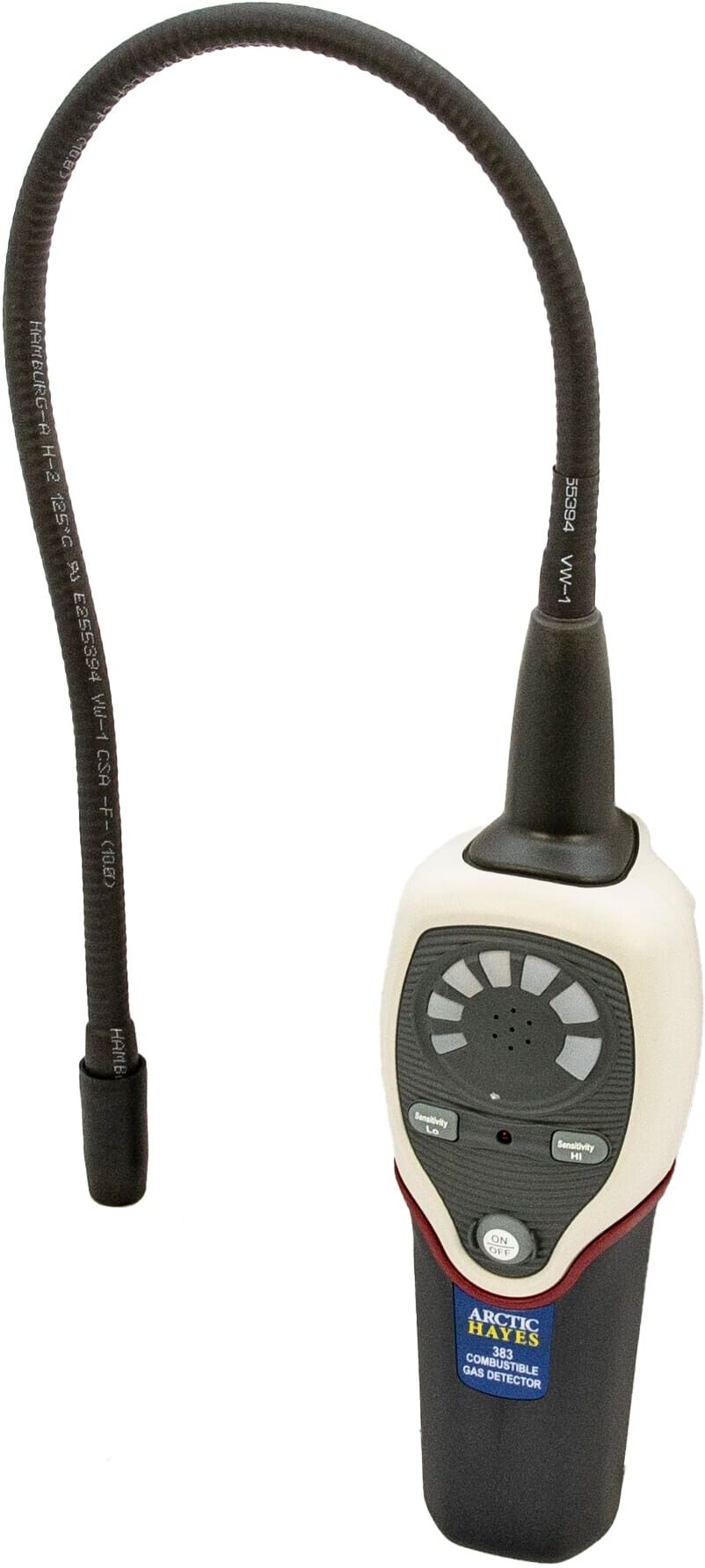
Arctic Hayes Combustible Gas Leak DetectorArctic Hayes Combustible Gas Leak Detector (A998721) The Arctic Hayes Combustible Gas Leak Detector is a professional tool for detecting combustible gases, including methane and other hydrocarbons. A heated semiconductor gas sensor with microprocessor control gives precise, consistent readings. A 15.5 stainless steel flexible probe makes it easy to reach into hard-to-access areas, while a tri-colour LED visual leak indicator and variable intensity audible alarm give instant feedback. It's supplied in a protective carry case with batteries, a connection hose and full instructions, making it a complete portable kit for engineers, safety inspectors and HVAC professionals Key Features & Benefits Advanced Gas Sensor: Heated semiconductor sensor with microprocessor control for139,50 £*Shipping: 0,00 £Secure redirect to the provider
-
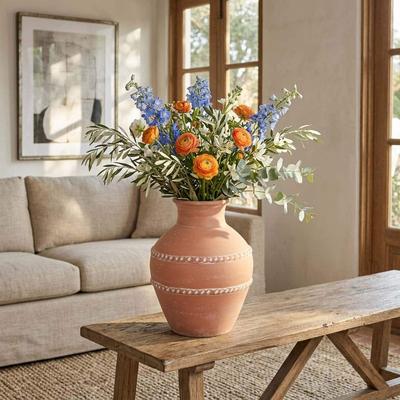
Sagebrook Home Pottery Terracotta Vase Artisan Style Traditional Classic SilhouetteAdd rustic flair instantly - Crafted from durable terracotta pottery, this decorative vase brings timeless charm to any bedroom, living room, or entryway display.64,59 $*Shipping: 0,00 $Secure redirect to the provider
-
What are combustible nonmetals?
Combustible nonmetals are elements that are not metals and have the ability to burn or ignite when exposed to oxygen and a heat source. These elements typically form flammable compounds and can undergo combustion reactions to produce heat and light. Some examples of combustible nonmetals include carbon, sulfur, and phosphorus. These elements are important in various industrial processes and are also found in everyday materials such as matches and fireworks. **
-
Can a laminate skirting board be used as a combustible element for a fireplace?
No, a laminate skirting board should not be used as a combustible element for a fireplace. Laminate is made of wood particles and resin, which can ignite and burn when exposed to high temperatures. It is important to use non-combustible materials, such as stone, tile, or metal, around a fireplace to prevent the risk of fire. It is best to consult with a professional to ensure that the materials used around a fireplace are safe and compliant with building codes. **
-
Which is cheaper, a pottery course or owning a pottery wheel?
In general, taking a pottery course is likely to be cheaper than owning a pottery wheel. Pottery courses typically provide access to a variety of equipment, materials, and instruction for a set fee, whereas purchasing a pottery wheel can be a significant upfront investment. Additionally, pottery courses may offer the opportunity to try out different techniques and styles before committing to purchasing a wheel. Overall, taking a pottery course can be a more cost-effective way to explore pottery as a hobby or skill. **
-
What is cheaper, a pottery class or your own pottery wheel?
In general, a pottery class is usually cheaper than purchasing your own pottery wheel. Pottery classes typically provide all the necessary materials, tools, and instruction needed to create pottery pieces, whereas buying a pottery wheel can be a significant investment. Additionally, pottery classes offer the opportunity to learn from experienced instructors and interact with other students, which can enhance the overall learning experience. However, if you plan to make pottery regularly and have the space and resources to set up a pottery studio at home, investing in your own pottery wheel may be more cost-effective in the long run. **
Similar search terms for Combustible
-
What is cheaper, a pottery course or owning a pottery wheel?
In general, taking a pottery course is usually cheaper than owning a pottery wheel. Pottery courses typically provide access to a pottery wheel, kiln, and other necessary tools and materials for a set fee. On the other hand, owning a pottery wheel requires a significant upfront investment in purchasing the equipment, as well as ongoing costs for maintenance, clay, glazes, and firing. Additionally, taking a pottery course allows for instruction, guidance, and a supportive community, which can be beneficial for beginners. **
-
Which is cheaper, a pottery course or buying your own pottery wheel?
In general, taking a pottery course is likely to be cheaper than buying your own pottery wheel. Pottery courses typically provide access to all the necessary equipment, materials, and instruction for a set fee, whereas purchasing a pottery wheel can be a significant investment. Additionally, pottery courses offer the opportunity to learn from experienced instructors and interact with other students, which can enhance the overall learning experience. However, if you plan to continue practicing pottery long-term, buying your own pottery wheel may eventually be more cost-effective. **
-
What is Longines handmade?
Longines is a luxury watch brand that is known for its high-quality craftsmanship and attention to detail. While some components of Longines watches are made using modern machinery, the brand also incorporates handmade elements in their timepieces. This can include hand-assembled movements, hand-finished detailing on the dials and cases, and hand-stitched leather straps. These handmade touches add a level of artistry and precision to Longines watches, making them highly sought after by watch enthusiasts. **
-
Why does the Kitchen Aid Artisan squeak?
The Kitchen Aid Artisan mixer may squeak due to a few reasons. One common cause is that the gears inside the mixer may need to be lubricated. Another reason could be that the attachments are not properly secured, causing friction and noise. Additionally, if the mixer is being used at a high speed for an extended period of time, it may also start to squeak. Regular maintenance and proper usage can help prevent the squeaking noise. **
* All prices are inclusive of VAT and, if applicable, plus shipping costs. The offer information is based on the details provided by the respective shop and is updated through automated processes. Real-time updates do not occur, so deviations can occur in individual cases. ** Note: Parts of this content were created by AI.