Buy remeselnik.eu ?
We are moving the project
remeselnik.eu .
Are you interested in purchasing the domain
remeselnik.eu ?
domain@kv-gmbh.de · 0541-91531010
Buy remeselnik.eu ?
How are ores formed in the Andes?
Ores in the Andes are formed through a process called mineralization, which occurs when mineral-rich fluids move through cracks and fissures in the Earth's crust. These fluids can come from magma chambers deep underground or from circulating groundwater. As the fluids move through the rocks, they deposit minerals such as gold, silver, copper, and zinc, which eventually form ore deposits. The tectonic activity in the Andes, including subduction zones and volcanic activity, plays a crucial role in creating the conditions for mineralization to occur. **
How are the ores formed in the Andes?
The ores in the Andes are formed through a process called hydrothermal mineralization. This occurs when hot, mineral-rich fluids from deep within the Earth's crust rise to the surface and deposit their mineral content as they cool. The Andes are a tectonically active region with numerous faults and fractures, providing pathways for these mineral-rich fluids to move upwards. As the fluids cool, they deposit their mineral content in the fractures and cavities of the surrounding rocks, forming ore deposits such as copper, gold, and silver. This process has been ongoing for millions of years, leading to the formation of significant mineral deposits in the Andes. **


Similar search terms for Andes
Top-Angebote
Products related to Andes:
-
KALATY Andes Canyon Granite Grey Cotton Chenille Handmade Area RugDial your interior style up a notch with this outstanding handmade area rug. The elaborate grey Southwestern stripes lend graphic interest, while the reversible design optimizes the value of this piece.176,29 $*Shipping: 0,00 $Secure redirect to the provider
-
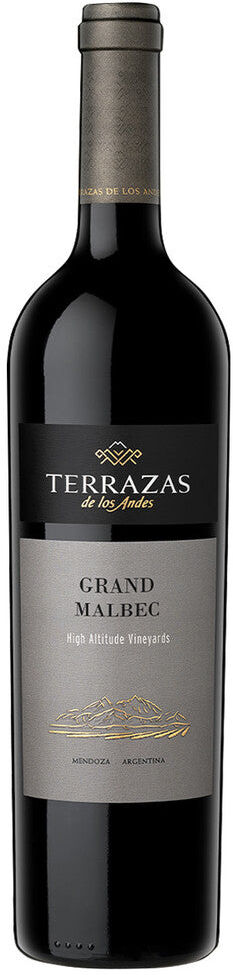
Grand Malbec Terrazas de los Andes 2022Il Grand Malbec di Terrazas de Los Andes è un’etichetta che fa parte della collezione dei vini di alta gamma della cantina argentina. Si tratta di una selezione delle parcelle più pregiate della tenuta coltivate in altitudine. Le vecchie vigne sono in grado di esaltare i caratteri varietali di questo antico vitigno bordolese, che ha trovato in argentina, e in particolare nell’area di Mendoza, una vera e propria seconda patria. Uve di alta qualità e un lungo affinamento in legni nobili, regalano un rosso complesso, elegante e longevo, che rappresenta una delle più importanti e prestigiose versioni di Malbec presenti oggi sul mercato. Una grande bottiglia per scoprire l’eccellenza della migliore produzione argentina. Il Grand Malbec di Terrazas de Los Andes è il frutto dell’esperienza di una delle più importanti cantine argentine. La proprietà venne fondata 30 anni fa da audaci pionieri che desideravano offrire al mondo un'interpretazione unica dei terroir di Mendoza. Le uve provengono dalla tenuta Las Compuertas, un prezioso gioiello aziendale. Si tratta di una pregiata parcella piantata nel 1929 con Malbec, riservata solo alla produzione di maggior prestigio. Il vigneto è coltivato a un’altitudine di 1.070 metri sul livello del mare, sulla riva sinistra del fiume Mendoza, e gode di un clima caratterizzato da notevoli escursioni termiche tra le giornate assolate e le notti fredde. I terreni sono poveri di sostanza organica e molto drenati, perfetti per una viticoltura con basse rese per ettaro che punta solo alla qualità. Al termine della vendemmia, si procede alla fermentazione con macerazione sulle bucce. Il vino matura poi per un periodo di 16-18 mesi in barrique di rovere francese. Il rosso Grand Malbec prodotto da Terrazas de Los Andes è un vino di notevole stoffa, che mette in luce la naturale concentrazione aromatica tipica delle vecchie vigne, regalando una versione di Malbec da fini intenditori. Si presenta con una bellissima veste rubino scuro con leggeri riflessi rosso granato. Esprime aromi di ciliegia matura, di piccoli frutti di bosco, prugna rossa, cenni di vaniglia, di morbide spezie, note tostate, di torrefazione e sfumature di legni nobili. Strutturato, intenso e avvolgente, ha una tessitura tannica molto fine ed evoluta e un sorso elegante e armonioso, che accompagna a un finale fresco e molto persistente.56,00 £*Shipping: 48,00 £Secure redirect to the provider
-
El Oro De Los Andes Panela 1 KgNutrition and Supplements Sweeteners El Oro De Los Andes Panela 1 Kg It is the juice extracted from sugar cane. This type of sugar does not undergo any type of refinement, nor any other type of chemical processing (addition of clarifying agents, flocculants, etc.). The advantages of granulated panela compared to conventional sugar (blond or brown and white) are abysmal, the differences arise from the elaboration. Ideal for naturally sweetening juices, coffee, or any other type of drink5,28 £*Shipping: 3,99 £Secure redirect to the provider
-
El Oro De Los Andes Amaranth flakes 500 grNutrition and Supplements Cereals, Pasta and Legumes El Oro De Los Andes Amaranth flakes 500 gr Flaked Amaranth is a traditional Andean seed, very close to quinoa, it has a very fine and aromatic flavor, ideal alone, as a garnish and in pastries. It is recommended to consume it alone or combine it with other foods or as a garnish. Its use in bakery is also very common, both in flake and flour format. Without gluten.4,82 £*Shipping: 3,99 £Secure redirect to the provider



-
Why are there so many volcanoes in the Andes?
The Andes are a result of the subduction of the Nazca Plate beneath the South American Plate. This subduction process creates intense pressure and heat, leading to the melting of the Earth's crust and the formation of magma. This magma then rises to the surface, resulting in the formation of numerous volcanoes along the length of the Andes. Additionally, the Andes are also located along the Pacific Ring of Fire, a region known for its high volcanic activity due to the movement of tectonic plates and the presence of numerous subduction zones. **
-
What are the indigenous people of the Andes in Peru?
The indigenous people of the Andes in Peru are the descendants of the ancient Inca civilization, as well as other pre-Columbian cultures such as the Quechua, Aymara, and many others. They have a rich cultural heritage that includes traditional clothing, music, dance, and agricultural practices. Despite centuries of colonization and marginalization, these indigenous communities continue to maintain their traditions and way of life, while also advocating for their rights and recognition in modern Peruvian society. **
-
Who are the indigenous people of the Andes in Peru?
The indigenous people of the Andes in Peru are primarily the Quechua and Aymara. The Quechua are the largest indigenous group in Peru and are known for their rich cultural heritage, including their language, traditional clothing, and agricultural practices. The Aymara people also have a strong presence in the Andean region of Peru, particularly around Lake Titicaca. Both groups have a deep connection to the Andean landscape and have preserved their traditional ways of life despite centuries of colonization and cultural assimilation. **
-
What are the altitude levels of the Alps and the Andes?
The Alps have an average altitude of about 8,000 feet (2,400 meters) above sea level, with the highest peak, Mont Blanc, reaching 15,781 feet (4,810 meters). The Andes, on the other hand, are much higher, with an average altitude of about 13,000 feet (4,000 meters) above sea level, and the highest peak, Aconcagua, reaching 22,841 feet (6,961 meters). The Andes are therefore significantly higher than the Alps, with some of the highest peaks in the world. **


Why can Russians grow tomatoes and strawberries in the Andes, when I can't succeed in Germany?
Russians are able to grow tomatoes and strawberries in the Andes because they have experience with cold climates and have developed techniques to adapt to different growing conditions. Additionally, the high altitude of the Andes provides ample sunlight and cool temperatures, which are ideal for growing these crops. In contrast, Germany's climate may not be as conducive to growing these particular fruits due to its cooler temperatures and shorter growing season. **
Why can Russians grow tomatoes and strawberries in the Andes, when I can't do it in Germany?
Russians can grow tomatoes and strawberries in the Andes because the climate in the Andes is more suitable for these crops than in Germany. The Andes have a cooler climate with higher elevations, which is ideal for growing these fruits. Additionally, the Andes have rich, volcanic soil that is well-suited for agriculture. In contrast, Germany has a more temperate climate and less suitable soil for these crops, making it more challenging to grow them successfully. **
Top-Angebote
Products related to Andes:
-
KALATY Andes Canyon Turquoise Chenille Cotton Handmade Area RugIntroduce Southwestern charm and versatility into your home with this softly textured double-sided rug. Handcrafted in India from sturdy cotton chenille, this floor covering provides long-lasting reliable performance and beauty.55,76 $*Shipping: 0,00 $Secure redirect to the provider
-
KALATY Andes Ruby Red Cotton Chenille Handmade Area RugSummon up the color palette of the American Southwest by choosing this striped rug to decorate your floor. This rug is handmade from cotton chenille yarn for a soft, plush feel underfoot. To double its lifespan, this casual rug is reversible.60,87 $*Shipping: 0,00 $Secure redirect to the provider
-
KALATY Andes Canyon Granite Grey Cotton Chenille Handmade Area RugDial your interior style up a notch with this outstanding handmade area rug. The elaborate grey Southwestern stripes lend graphic interest, while the reversible design optimizes the value of this piece.176,29 $*Shipping: 0,00 $Secure redirect to the provider
-
Grand Malbec Terrazas de los Andes 2022Il Grand Malbec di Terrazas de Los Andes è un’etichetta che fa parte della collezione dei vini di alta gamma della cantina argentina. Si tratta di una selezione delle parcelle più pregiate della tenuta coltivate in altitudine. Le vecchie vigne sono in grado di esaltare i caratteri varietali di questo antico vitigno bordolese, che ha trovato in argentina, e in particolare nell’area di Mendoza, una vera e propria seconda patria. Uve di alta qualità e un lungo affinamento in legni nobili, regalano un rosso complesso, elegante e longevo, che rappresenta una delle più importanti e prestigiose versioni di Malbec presenti oggi sul mercato. Una grande bottiglia per scoprire l’eccellenza della migliore produzione argentina. Il Grand Malbec di Terrazas de Los Andes è il frutto dell’esperienza di una delle più importanti cantine argentine. La proprietà venne fondata 30 anni fa da audaci pionieri che desideravano offrire al mondo un'interpretazione unica dei terroir di Mendoza. Le uve provengono dalla tenuta Las Compuertas, un prezioso gioiello aziendale. Si tratta di una pregiata parcella piantata nel 1929 con Malbec, riservata solo alla produzione di maggior prestigio. Il vigneto è coltivato a un’altitudine di 1.070 metri sul livello del mare, sulla riva sinistra del fiume Mendoza, e gode di un clima caratterizzato da notevoli escursioni termiche tra le giornate assolate e le notti fredde. I terreni sono poveri di sostanza organica e molto drenati, perfetti per una viticoltura con basse rese per ettaro che punta solo alla qualità. Al termine della vendemmia, si procede alla fermentazione con macerazione sulle bucce. Il vino matura poi per un periodo di 16-18 mesi in barrique di rovere francese. Il rosso Grand Malbec prodotto da Terrazas de Los Andes è un vino di notevole stoffa, che mette in luce la naturale concentrazione aromatica tipica delle vecchie vigne, regalando una versione di Malbec da fini intenditori. Si presenta con una bellissima veste rubino scuro con leggeri riflessi rosso granato. Esprime aromi di ciliegia matura, di piccoli frutti di bosco, prugna rossa, cenni di vaniglia, di morbide spezie, note tostate, di torrefazione e sfumature di legni nobili. Strutturato, intenso e avvolgente, ha una tessitura tannica molto fine ed evoluta e un sorso elegante e armonioso, che accompagna a un finale fresco e molto persistente.56,00 £*Shipping: 48,00 £Secure redirect to the provider
-
How are ores formed in the Andes?
Ores in the Andes are formed through a process called mineralization, which occurs when mineral-rich fluids move through cracks and fissures in the Earth's crust. These fluids can come from magma chambers deep underground or from circulating groundwater. As the fluids move through the rocks, they deposit minerals such as gold, silver, copper, and zinc, which eventually form ore deposits. The tectonic activity in the Andes, including subduction zones and volcanic activity, plays a crucial role in creating the conditions for mineralization to occur. **
-
How are the ores formed in the Andes?
The ores in the Andes are formed through a process called hydrothermal mineralization. This occurs when hot, mineral-rich fluids from deep within the Earth's crust rise to the surface and deposit their mineral content as they cool. The Andes are a tectonically active region with numerous faults and fractures, providing pathways for these mineral-rich fluids to move upwards. As the fluids cool, they deposit their mineral content in the fractures and cavities of the surrounding rocks, forming ore deposits such as copper, gold, and silver. This process has been ongoing for millions of years, leading to the formation of significant mineral deposits in the Andes. **
-
Why are there so many volcanoes in the Andes?
The Andes are a result of the subduction of the Nazca Plate beneath the South American Plate. This subduction process creates intense pressure and heat, leading to the melting of the Earth's crust and the formation of magma. This magma then rises to the surface, resulting in the formation of numerous volcanoes along the length of the Andes. Additionally, the Andes are also located along the Pacific Ring of Fire, a region known for its high volcanic activity due to the movement of tectonic plates and the presence of numerous subduction zones. **
-
What are the indigenous people of the Andes in Peru?
The indigenous people of the Andes in Peru are the descendants of the ancient Inca civilization, as well as other pre-Columbian cultures such as the Quechua, Aymara, and many others. They have a rich cultural heritage that includes traditional clothing, music, dance, and agricultural practices. Despite centuries of colonization and marginalization, these indigenous communities continue to maintain their traditions and way of life, while also advocating for their rights and recognition in modern Peruvian society. **
Similar search terms for Andes
-
El Oro De Los Andes Panela 1 KgNutrition and Supplements Sweeteners El Oro De Los Andes Panela 1 Kg It is the juice extracted from sugar cane. This type of sugar does not undergo any type of refinement, nor any other type of chemical processing (addition of clarifying agents, flocculants, etc.). The advantages of granulated panela compared to conventional sugar (blond or brown and white) are abysmal, the differences arise from the elaboration. Ideal for naturally sweetening juices, coffee, or any other type of drink5,28 £*Shipping: 3,99 £Secure redirect to the provider
-
El Oro De Los Andes Amaranth flakes 500 grNutrition and Supplements Cereals, Pasta and Legumes El Oro De Los Andes Amaranth flakes 500 gr Flaked Amaranth is a traditional Andean seed, very close to quinoa, it has a very fine and aromatic flavor, ideal alone, as a garnish and in pastries. It is recommended to consume it alone or combine it with other foods or as a garnish. Its use in bakery is also very common, both in flake and flour format. Without gluten.4,82 £*Shipping: 3,99 £Secure redirect to the provider
-
Addison Rugs Machine Washable Indoor/ Outdoor Global Andes Chantille RugEnrich your living space with the transitional style of a global pattern that showcases a distressed diamond grid and layered motifs, complete with a charming weathered texture.172,19 $*Shipping: 0,00 $Secure redirect to the provider
-
Addison Rugs Premium Washable Super Soft Casual Andes Mayfield RugRevitalize any contemporary space with the inviting blend of abstract, soft brush textures, and overlapping circular lines. Designed with a UV stabilized structure, it fits seamlessly indoors or in covered outdoor settings.663,16 $*Shipping: 0,00 $Secure redirect to the provider
-
Who are the indigenous people of the Andes in Peru?
The indigenous people of the Andes in Peru are primarily the Quechua and Aymara. The Quechua are the largest indigenous group in Peru and are known for their rich cultural heritage, including their language, traditional clothing, and agricultural practices. The Aymara people also have a strong presence in the Andean region of Peru, particularly around Lake Titicaca. Both groups have a deep connection to the Andean landscape and have preserved their traditional ways of life despite centuries of colonization and cultural assimilation. **
-
What are the altitude levels of the Alps and the Andes?
The Alps have an average altitude of about 8,000 feet (2,400 meters) above sea level, with the highest peak, Mont Blanc, reaching 15,781 feet (4,810 meters). The Andes, on the other hand, are much higher, with an average altitude of about 13,000 feet (4,000 meters) above sea level, and the highest peak, Aconcagua, reaching 22,841 feet (6,961 meters). The Andes are therefore significantly higher than the Alps, with some of the highest peaks in the world. **
-
Why can Russians grow tomatoes and strawberries in the Andes, when I can't succeed in Germany?
Russians are able to grow tomatoes and strawberries in the Andes because they have experience with cold climates and have developed techniques to adapt to different growing conditions. Additionally, the high altitude of the Andes provides ample sunlight and cool temperatures, which are ideal for growing these crops. In contrast, Germany's climate may not be as conducive to growing these particular fruits due to its cooler temperatures and shorter growing season. **
-
Why can Russians grow tomatoes and strawberries in the Andes, when I can't do it in Germany?
Russians can grow tomatoes and strawberries in the Andes because the climate in the Andes is more suitable for these crops than in Germany. The Andes have a cooler climate with higher elevations, which is ideal for growing these fruits. Additionally, the Andes have rich, volcanic soil that is well-suited for agriculture. In contrast, Germany has a more temperate climate and less suitable soil for these crops, making it more challenging to grow them successfully. **
* All prices are inclusive of VAT and, if applicable, plus shipping costs. The offer information is based on the details provided by the respective shop and is updated through automated processes. Real-time updates do not occur, so deviations can occur in individual cases. ** Note: Parts of this content were created by AI.