Buy remeselnik.eu ?
We are moving the project
remeselnik.eu .
Are you interested in purchasing the domain
remeselnik.eu ?
domain@kv-gmbh.de · 0541-91531010
Buy remeselnik.eu ?
How much does a master plasterer earn?
The earnings of a master plasterer can vary depending on factors such as location, experience, and the specific projects they work on. On average, a master plasterer can earn anywhere from $40,000 to $70,000 per year. However, those with extensive experience and expertise in the field may be able to command higher salaries. Additionally, working on high-end projects or in areas with high demand for skilled plasterers can also lead to higher earnings. **
Looking for a professional plasterer for leg cast.
You can start by asking for recommendations from your doctor or local hospital, as they may have a list of professional plasterers in your area. You can also search online for plastering services that specialize in leg casts, and read reviews from previous clients to ensure their expertise and quality of work. Additionally, consider reaching out to physical therapy clinics or orthopedic specialists for referrals to reputable plasterers who have experience in casting and immobilization techniques. **

Similar search terms for Plasterer
Top-Angebote
Products related to Plasterer:
-
Multicon Wholesale Hub Pneumatic Rivet Gun For Automotive & Metalwork Pneumatic Rivet Gun For Automotive & MetalworkFrom DIY enthusiasts to professional auto technicians, this pneumatic rivet gun redefines efficiency and precision in every fastening task. Crafted with a durable aluminum alloy body, it delivers reliable performance with less operator fatigue....174,97 $*Shipping: 0,00 $Secure redirect to the provider


-
Which is cheaper, a pottery course or owning a pottery wheel?
In general, taking a pottery course is likely to be cheaper than owning a pottery wheel. Pottery courses typically provide access to a variety of equipment, materials, and instruction for a set fee, whereas purchasing a pottery wheel can be a significant upfront investment. Additionally, pottery courses may offer the opportunity to try out different techniques and styles before committing to purchasing a wheel. Overall, taking a pottery course can be a more cost-effective way to explore pottery as a hobby or skill. **
-
What is cheaper, a pottery class or your own pottery wheel?
In general, a pottery class is usually cheaper than purchasing your own pottery wheel. Pottery classes typically provide all the necessary materials, tools, and instruction needed to create pottery pieces, whereas buying a pottery wheel can be a significant investment. Additionally, pottery classes offer the opportunity to learn from experienced instructors and interact with other students, which can enhance the overall learning experience. However, if you plan to make pottery regularly and have the space and resources to set up a pottery studio at home, investing in your own pottery wheel may be more cost-effective in the long run. **
-
What is cheaper, a pottery course or owning a pottery wheel?
In general, taking a pottery course is usually cheaper than owning a pottery wheel. Pottery courses typically provide access to a pottery wheel, kiln, and other necessary tools and materials for a set fee. On the other hand, owning a pottery wheel requires a significant upfront investment in purchasing the equipment, as well as ongoing costs for maintenance, clay, glazes, and firing. Additionally, taking a pottery course allows for instruction, guidance, and a supportive community, which can be beneficial for beginners. **
-
Which is cheaper, a pottery course or buying your own pottery wheel?
In general, taking a pottery course is likely to be cheaper than buying your own pottery wheel. Pottery courses typically provide access to all the necessary equipment, materials, and instruction for a set fee, whereas purchasing a pottery wheel can be a significant investment. Additionally, pottery courses offer the opportunity to learn from experienced instructors and interact with other students, which can enhance the overall learning experience. However, if you plan to continue practicing pottery long-term, buying your own pottery wheel may eventually be more cost-effective. **


What is Longines handmade?
Longines is a luxury watch brand that is known for its high-quality craftsmanship and attention to detail. While some components of Longines watches are made using modern machinery, the brand also incorporates handmade elements in their timepieces. This can include hand-assembled movements, hand-finished detailing on the dials and cases, and hand-stitched leather straps. These handmade touches add a level of artistry and precision to Longines watches, making them highly sought after by watch enthusiasts. **
Why does the Kitchen Aid Artisan squeak?
The Kitchen Aid Artisan mixer may squeak due to a few reasons. One common cause is that the gears inside the mixer may need to be lubricated. Another reason could be that the attachments are not properly secured, causing friction and noise. Additionally, if the mixer is being used at a high speed for an extended period of time, it may also start to squeak. Regular maintenance and proper usage can help prevent the squeaking noise. **
Top-Angebote
Products related to Plasterer:
-
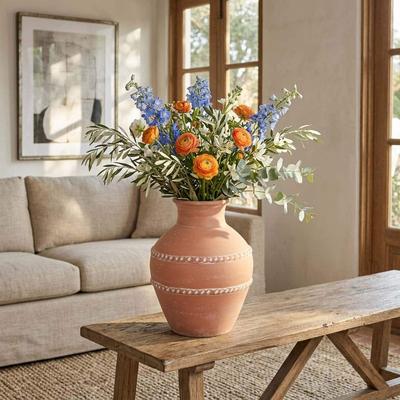
Sagebrook Home Pottery Terracotta Vase Artisan Style Traditional Classic SilhouetteAdd rustic flair instantly - Crafted from durable terracotta pottery, this decorative vase brings timeless charm to any bedroom, living room, or entryway display.64,59 $*Shipping: 0,00 $Secure redirect to the provider
-
Multicon Wholesale Hub Pneumatic Rivet Gun For Automotive & Metalwork Pneumatic Rivet Gun For Automotive & MetalworkFrom DIY enthusiasts to professional auto technicians, this pneumatic rivet gun redefines efficiency and precision in every fastening task. Crafted with a durable aluminum alloy body, it delivers reliable performance with less operator fatigue....174,97 $*Shipping: 0,00 $Secure redirect to the provider
-
How much does a master plasterer earn?
The earnings of a master plasterer can vary depending on factors such as location, experience, and the specific projects they work on. On average, a master plasterer can earn anywhere from $40,000 to $70,000 per year. However, those with extensive experience and expertise in the field may be able to command higher salaries. Additionally, working on high-end projects or in areas with high demand for skilled plasterers can also lead to higher earnings. **
-
Looking for a professional plasterer for leg cast.
You can start by asking for recommendations from your doctor or local hospital, as they may have a list of professional plasterers in your area. You can also search online for plastering services that specialize in leg casts, and read reviews from previous clients to ensure their expertise and quality of work. Additionally, consider reaching out to physical therapy clinics or orthopedic specialists for referrals to reputable plasterers who have experience in casting and immobilization techniques. **
-
Which is cheaper, a pottery course or owning a pottery wheel?
In general, taking a pottery course is likely to be cheaper than owning a pottery wheel. Pottery courses typically provide access to a variety of equipment, materials, and instruction for a set fee, whereas purchasing a pottery wheel can be a significant upfront investment. Additionally, pottery courses may offer the opportunity to try out different techniques and styles before committing to purchasing a wheel. Overall, taking a pottery course can be a more cost-effective way to explore pottery as a hobby or skill. **
-
What is cheaper, a pottery class or your own pottery wheel?
In general, a pottery class is usually cheaper than purchasing your own pottery wheel. Pottery classes typically provide all the necessary materials, tools, and instruction needed to create pottery pieces, whereas buying a pottery wheel can be a significant investment. Additionally, pottery classes offer the opportunity to learn from experienced instructors and interact with other students, which can enhance the overall learning experience. However, if you plan to make pottery regularly and have the space and resources to set up a pottery studio at home, investing in your own pottery wheel may be more cost-effective in the long run. **
Similar search terms for Plasterer
-
What is cheaper, a pottery course or owning a pottery wheel?
In general, taking a pottery course is usually cheaper than owning a pottery wheel. Pottery courses typically provide access to a pottery wheel, kiln, and other necessary tools and materials for a set fee. On the other hand, owning a pottery wheel requires a significant upfront investment in purchasing the equipment, as well as ongoing costs for maintenance, clay, glazes, and firing. Additionally, taking a pottery course allows for instruction, guidance, and a supportive community, which can be beneficial for beginners. **
-
Which is cheaper, a pottery course or buying your own pottery wheel?
In general, taking a pottery course is likely to be cheaper than buying your own pottery wheel. Pottery courses typically provide access to all the necessary equipment, materials, and instruction for a set fee, whereas purchasing a pottery wheel can be a significant investment. Additionally, pottery courses offer the opportunity to learn from experienced instructors and interact with other students, which can enhance the overall learning experience. However, if you plan to continue practicing pottery long-term, buying your own pottery wheel may eventually be more cost-effective. **
-
What is Longines handmade?
Longines is a luxury watch brand that is known for its high-quality craftsmanship and attention to detail. While some components of Longines watches are made using modern machinery, the brand also incorporates handmade elements in their timepieces. This can include hand-assembled movements, hand-finished detailing on the dials and cases, and hand-stitched leather straps. These handmade touches add a level of artistry and precision to Longines watches, making them highly sought after by watch enthusiasts. **
-
Why does the Kitchen Aid Artisan squeak?
The Kitchen Aid Artisan mixer may squeak due to a few reasons. One common cause is that the gears inside the mixer may need to be lubricated. Another reason could be that the attachments are not properly secured, causing friction and noise. Additionally, if the mixer is being used at a high speed for an extended period of time, it may also start to squeak. Regular maintenance and proper usage can help prevent the squeaking noise. **
* All prices are inclusive of VAT and, if applicable, plus shipping costs. The offer information is based on the details provided by the respective shop and is updated through automated processes. Real-time updates do not occur, so deviations can occur in individual cases. ** Note: Parts of this content were created by AI.